
ANXIN ART PRINTING | FREQUENTLY ASKED QUESTIONS
From packaging formats and material selection to printing and mass production, find answers to the questions our customers ask most often.
Anxin Art Printing provides one-stop solutions for both flexible packaging and paper-based packaging.
Our flexible packaging products include rollstock for automatic packaging, three-side-seal pouches, back-seal pouches, stand-up zipper pouches, and flat-bottom pouches. Our paper packaging solutions include folding cartons, rigid boxes, and paper bags.
Based on your product, packaging method, shelf-life requirements, and order quantity, our team can recommend a suitable packaging format and production method.
We have extensive experience serving the food, dietary supplement, biotechnology, pet food, cosmetics and facial mask, and medical device industries.
Different products require different levels of oxygen barrier, moisture protection, light protection, puncture resistance, and seal strength. We evaluate these requirements and recommend an appropriate packaging structure.
Digital printing does not require conventional printing cylinders, making it particularly suitable for short runs, multiple SKUs, multiple designs, and new product trials. It can reduce initial development costs and shorten lead times.
Gravure printing is generally more suitable for high-volume production of a single design or SKU.
Anxin can recommend the appropriate printing method based on your quantity, number of designs, lead time, and cost requirements.
Digital printing is ideal for new product launches, market testing, short production runs, multiple flavors or SKUs, limited editions, and packaging designs that are updated frequently.
It is especially advantageous when each individual design has a relatively small quantity but the overall project includes multiple SKUs.
Yes.
One of the key advantages of digital printing is its flexibility for short runs and multiple designs. Separate gravure cylinders are not required for every version, making it an excellent option for product trials, multiple flavors, and multiple SKUs.
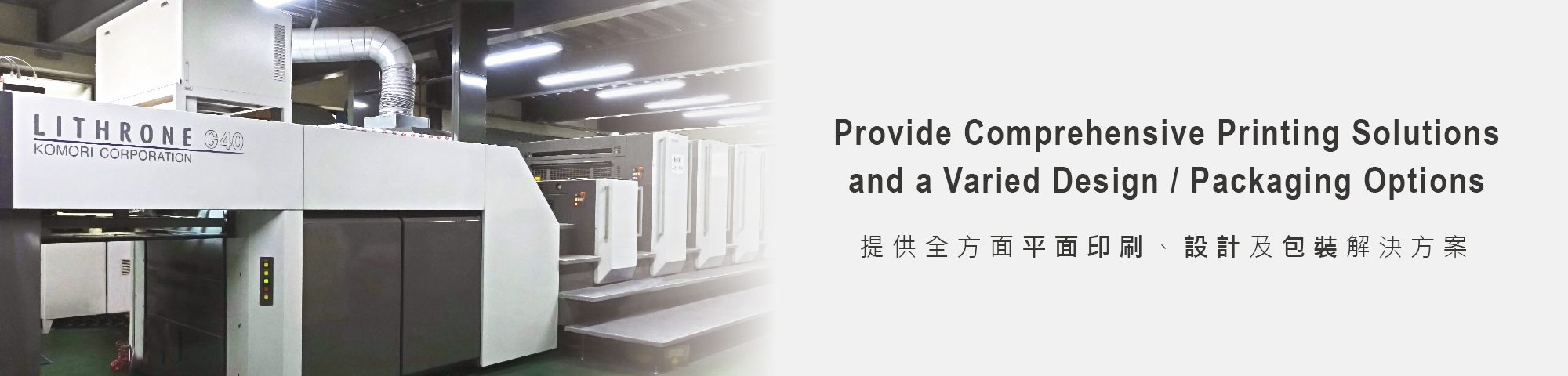
Anxin Art Printing manages customer requirements, packaging planning, and account services, while printing, lamination, and converting are carried out within our integrated production system.
From order management and production to quality control, the process is managed by our Taiwan-based team, allowing us to closely control production information, quality requirements, and delivery schedules.
Yes. You do not need to understand all packaging materials before contacting us.
Simply provide information about your product, storage conditions, package dimensions, expected quantity, and packaging method. Our team can then recommend a suitable material structure based on your requirements.
Each material serves a different function. PET offers good printability and dimensional stability; NY (nylon) provides excellent toughness and puncture resistance; AL (aluminum foil) offers strong light, oxygen, and moisture barrier properties; CPP and LLDPE are commonly used as inner sealant layers.
Flexible packaging typically combines two or more materials to achieve the required performance.
Products that are sensitive to moisture, oxygen, or light—such as certain dietary supplements, powdered foods, coffee, pharmaceutical products, and specialty foods—often use packaging structures containing aluminum foil.
Whether aluminum foil is necessary should be evaluated based on the product, required shelf life, and storage conditions.
Transparent packaging provides excellent product visibility. Metallized films combine a distinctive appearance with a certain level of barrier performance, while aluminum foil provides a higher level of light, oxygen, and moisture protection.
The highest barrier is not always the best choice. We recommend materials based on product requirements, shelf life, cost, and desired appearance.
Vacuum packaging generally requires good airtightness, puncture resistance, and seal strength. The appropriate laminate structure depends on the characteristics of the product.
Products with sharp edges or bones, or products requiring frozen storage or high-temperature processing, may require additional material performance and a different structure.
Not necessarily.
Different products have different requirements for moisture and oxygen barriers, oil resistance, aroma retention, puncture resistance, and chemical compatibility. Therefore, even when the pouch format looks the same, the actual material structure may be very different.
We evaluate the structure according to the actual contents and conditions of use.
We recommend providing the following information:
- Product contents
- Packaging format
- Dimensions
- Estimated order quantity
- Fill weight or volume
- Any specified material structure, if available
- Artwork or reference images
- Special requirements such as zippers, tear notches, degassing valves, or special finishing
- If some information is not yet available, you can still send us your basic requirements and our team will help you define the specifications step by step.
The MOQ varies depending on the pouch format, dimensions, material structure, printing method, and converting requirements.
Digital printing is particularly suitable for short runs and multiple SKUs. If you are testing a new product or launching a product for the first time, let us know your expected quantity and we can recommend an appropriate production solution.
Yes.
Depending on the project, we can arrange sampling so that you can review dimensions, pouch format, artwork, and relevant finishing details before mass production.
Different sampling methods verify different aspects of the final package, so we will recommend the most appropriate option based on what you need to confirm.
Minor color differences may occur because printing equipment, substrates, and surface treatments can affect visual appearance.
Anxin has professional color-management experience and uses standardized processes to improve color consistency across different production conditions and batches.
Lead time varies depending on the printing method, materials, pouch format, finishing requirements, and order quantity.
Digital printing generally offers shorter production lead times. Projects involving special materials, special finishing, or high-volume production may require additional time.
If you have a specific product launch or delivery date, please let us know when requesting a quotation so that we can evaluate the most suitable production schedule.
Yes.
You may provide an existing packaging sample, dimensions, material specifications, or original artwork. We can evaluate whether the package can be reproduced with the same structure or with a more suitable alternative.
If complete material information is unavailable, you can also send us a physical sample for further evaluation.
Yes.
Many customers developing packaging for the first time do not know the exact material names or specifications.
Simply tell us what the package will contain, the fill weight or volume, the pouch format you prefer, and the approximate quantity. We can start from there and help you determine the appropriate specifications.
Anxin’s production system places strong emphasis on food-packaging safety and quality management, with ISO 22000, HACCP, and G7-related certification and color-management capabilities.
Raw materials, production processes, and finished products are controlled according to established internal quality-management procedures.
Depending on the materials, customer requirements, and project scope, we can provide or assist in confirming relevant material and testing documentation.
If your product must meet specific regulatory or testing requirements for a particular market, we recommend informing us at the beginning of the development process so that suitable materials and documentation can be evaluated.
Anxin has G7 color-management capabilities and uses standardized color management, equipment control, and production processes to reduce color variation between production batches.
If your brand has specific corporate colors, brand standards, or particularly strict color requirements, please let us know at the beginning of the project.
Anxin currently uses solvent-free lamination.
Solvent-free lamination does not rely on conventional solvent-based adhesive systems during the lamination process, helping reduce VOC emissions while maintaining production efficiency and packaging quality.
For brands that value food-packaging safety, process management, and sustainability, this is one of Anxin’s key production advantages.
Relevant quality documents can be evaluated and provided according to the product, materials, and customer requirements.
If your company has specific supplier-management procedures, incoming quality requirements, or document formats, please let us know at the beginning of the cooperation so that we can confirm the applicable documentation.
We perform quality checks according to the product and production process, including print appearance, dimensions, sealing, pouch-making quality, and other necessary inspection items.
Because critical quality requirements vary by packaging type, inspection standards are established according to product specifications and customer requirements.
Sustainable packaging is no longer focused only on reducing plastic. Brands are increasingly evaluating the overall material structure, resource use, recyclability, and carbon impact of packaging.
Key directions include:
- Material reduction and downgauging
- Use of recycled materials such as rPET (Recycled PET)
- Increasing the paper content of packaging
- Replacing selected conventional laminates with high-barrier paper solutions
- Reducing or removing aluminum foil (de-aluminization)
- Mono-material packaging designed to improve recyclability
- Reducing carbon emissions through material and process optimization
Because different products have different requirements for shelf life, oxygen and moisture barriers, light protection, heat resistance, and sealing performance, sustainable packaging requires a balance between product protection, material reduction, recyclability, and carbon reduction.
Yes, provided that the required packaging performance can still be maintained.
Downgauging is an important approach to material reduction. By redesigning the material structure, the overall thickness and material usage can be reduced while maintaining the necessary barrier properties, seal strength, and physical performance.
Using less material can also reduce package weight, transportation load, and potentially the overall carbon footprint.
However, thinner is not always better. If downgauging causes pouch failure, leakage, insufficient barrier performance, or shorter shelf life, it may create additional product and resource waste. Anxin therefore evaluates downgauging according to the product, storage conditions, and packaging requirements.
Yes, depending on the product application, material structure, and applicable regulatory requirements.
rPET (Recycled PET) uses recycled PET as a raw material, helping reduce demand for virgin plastic and supporting a more circular use of resources.
Its suitability depends on the intended application, food-contact requirements, material performance, recycled-content source, and regulations in the target market. Anxin can help evaluate appropriate recycled-material solutions based on your sustainability objectives and product requirements.
Paperization is a growing packaging trend that increases the proportion of paper in the structure while reducing the use of conventional plastics or multi-layer plastic laminates.
Because standard paper has limited moisture, oxygen, and grease resistance, products requiring higher barrier performance may need additional barrier technology.
Anxin can provide high-barrier paper packaging solutions that combine paper with functional barrier layers, allowing brands to increase paper content while maintaining the protection required by the product.
For suitable applications, these structures can provide alternatives to selected conventional plastic laminates or aluminum-containing structures and support plastic-reduction and paperization goals.
For some products, yes, but the feasibility must be evaluated against the actual barrier requirements.
Aluminum foil provides excellent oxygen, moisture, and light barrier performance and has therefore been widely used in food, dietary supplement, and other high-barrier packaging.
With advances in sustainable packaging technology, high-barrier paper materials can use specialized coatings or barrier structures to improve resistance to oxygen, moisture, and grease.
For suitable products, high-barrier paper can provide an alternative to selected aluminum-containing laminates while increasing paper content and reducing the use of plastic and aluminum.
Whether aluminum foil can be fully replaced still depends on shelf-life requirements, barrier specifications, and the conditions in which the package will be used.
Aluminum foil offers excellent barrier performance, but its production and processing can be energy intensive. As brands work to reduce packaging-related carbon emissions, the use of aluminum is increasingly being reviewed.
De-aluminization does not simply mean removing aluminum foil. It means evaluating whether alternative high-barrier materials or structures can provide the required product protection while reducing reliance on aluminum.
Depending on the application, possible alternatives may include high-barrier transparent films, high-barrier paper, or aluminum-free high-barrier laminate structures. Redesigning the material structure can support both material reduction and lower-carbon packaging strategies.
Packaging carbon reduction requires more than replacing a single material; it should be considered across the packaging life cycle.
Common approaches include:
- Reducing material thickness and total package weight
- Eliminating unnecessary material layers
- Using recycled materials
- Increasing the proportion of paper or recyclable materials
- Reducing aluminum foil usage
- Using mono-material structures
- Adopting lower-VOC processes such as solvent-free lamination
- Using digital printing to reduce overproduction and obsolete inventory
- Optimizing package dimensions to improve transportation efficiency
Anxin can help evaluate carbon-reduction opportunities across materials, structures, printing, and production processes.
Digital printing does not require conventional printing plates and allows flexible production of short runs and multiple SKUs.
For new product trials, multiple flavors, multiple versions, or products with changing demand, it can reduce overproduction caused by higher conventional minimum production quantities.
This enables brands to order closer to actual demand and helps reduce excess inventory, obsolete packaging after artwork changes, packaging waste during product testing, and overproduction across multiple SKUs.
Mono-material packaging is designed to use the same or compatible material family wherever possible, such as PE-based or PP-based structures, in order to reduce the recycling challenges associated with multi-material laminates.
It is one of the major development directions for recyclable flexible packaging.
However, suitability still depends on requirements such as oxygen and moisture barriers, heat resistance, puncture resistance, sealing performance, and shelf life. Anxin can help evaluate whether a mono-material structure is suitable for your product.
Not necessarily.
The environmental impact of packaging cannot be determined simply by whether it is made from paper or plastic. Material quantity and source, package weight, product protection, manufacturing processes, transportation, and end-of-life treatment should all be considered.
Anxin therefore focuses on reducing unnecessary material use and environmental impact while maintaining the protection required by the product.
Yes.
If your brand has specific ESG, plastic-reduction, carbon-reduction, or sustainable packaging targets, these can be incorporated at the beginning of the packaging development process. Examples include downgauging, reducing plastic use, increasing paper content, introducing rPET, reducing or removing aluminum foil, adopting mono-material structures, or developing high-barrier paper packaging.
Based on the product, shelf-life requirements, packaging performance, and target market, Anxin can evaluate the material structure, printing, lamination, and converting options to achieve an appropriate balance between product protection, production feasibility, cost, and sustainability goals.
Yes.
Anxin provides packaging printing and manufacturing services for international customers, covering both flexible and paper-based packaging. We can evaluate production solutions according to the requirements of different markets and products.
Yes.
We provide English-language quotation, specification confirmation, and project communication services to support overseas brands and packaging companies throughout product development and production.
Yes. We can discuss suitable shipping arrangements based on the customer’s location, order quantity, and agreed trade terms.
Actual freight costs, shipping methods, and Incoterms will be confirmed for each individual project.
Yes.
Depending on the project, samples or other production confirmations can be arranged before mass production, helping reduce uncertainty during international packaging development.
Simply provide the following basic information:
Your product + preferred packaging format + dimensions + estimated quantity.
If you already have artwork, an existing package, or reference images, please send them as well.
Even if you do not yet know the material name or full specifications, our team can recommend a suitable material structure, printing method, and production solution based on your product requirements.
Start with your packaging needs, and let us help you find the right solution.